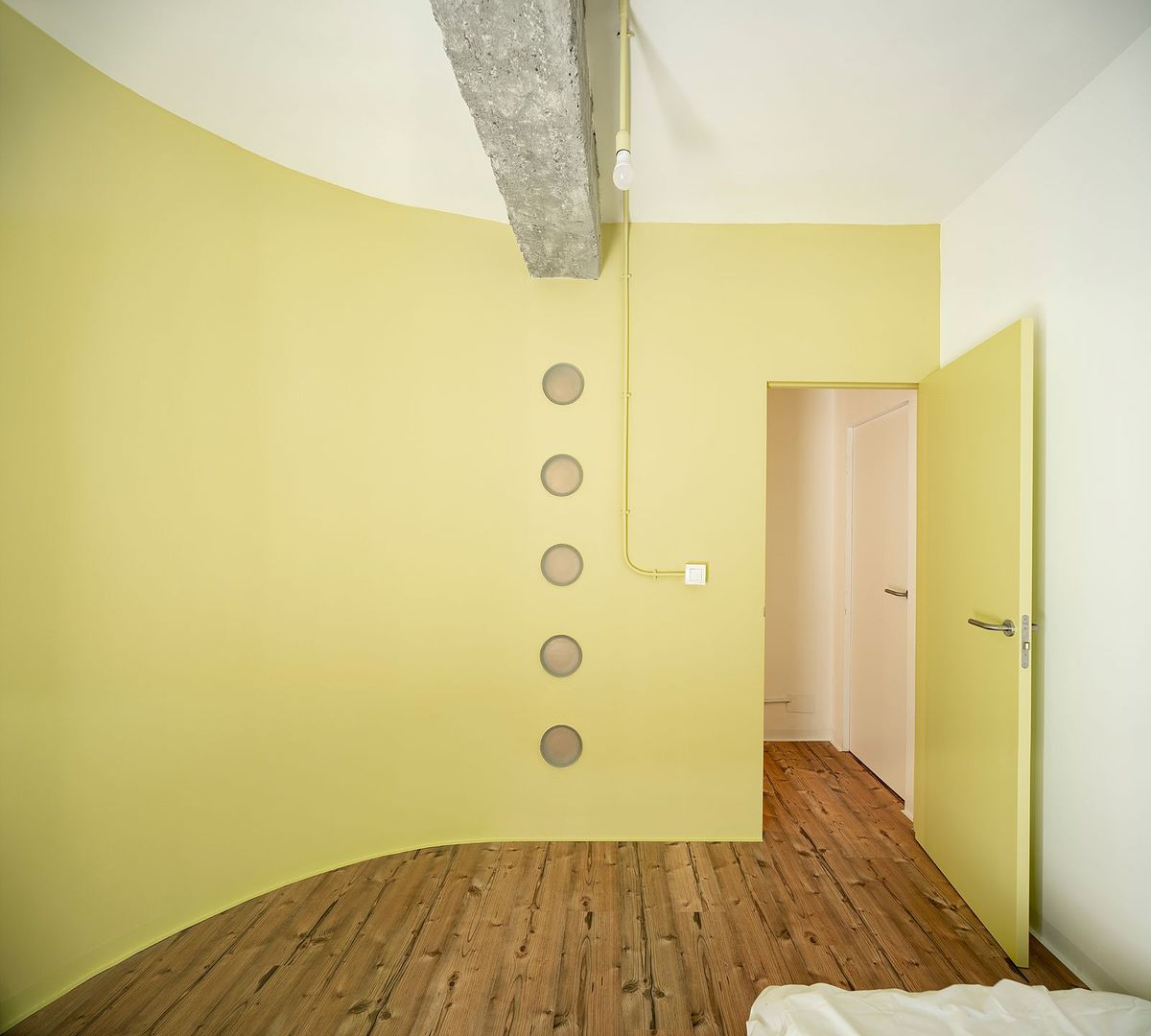
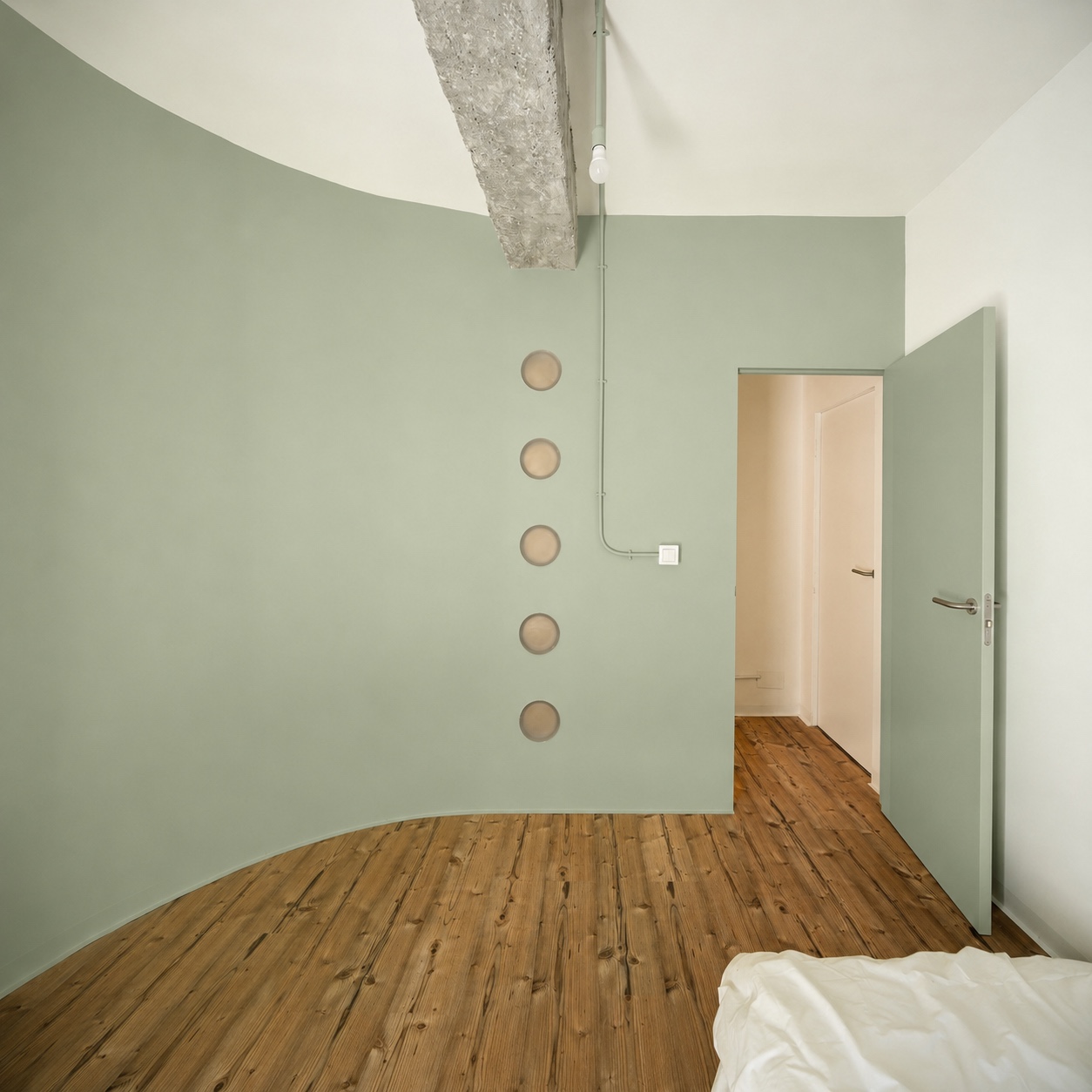
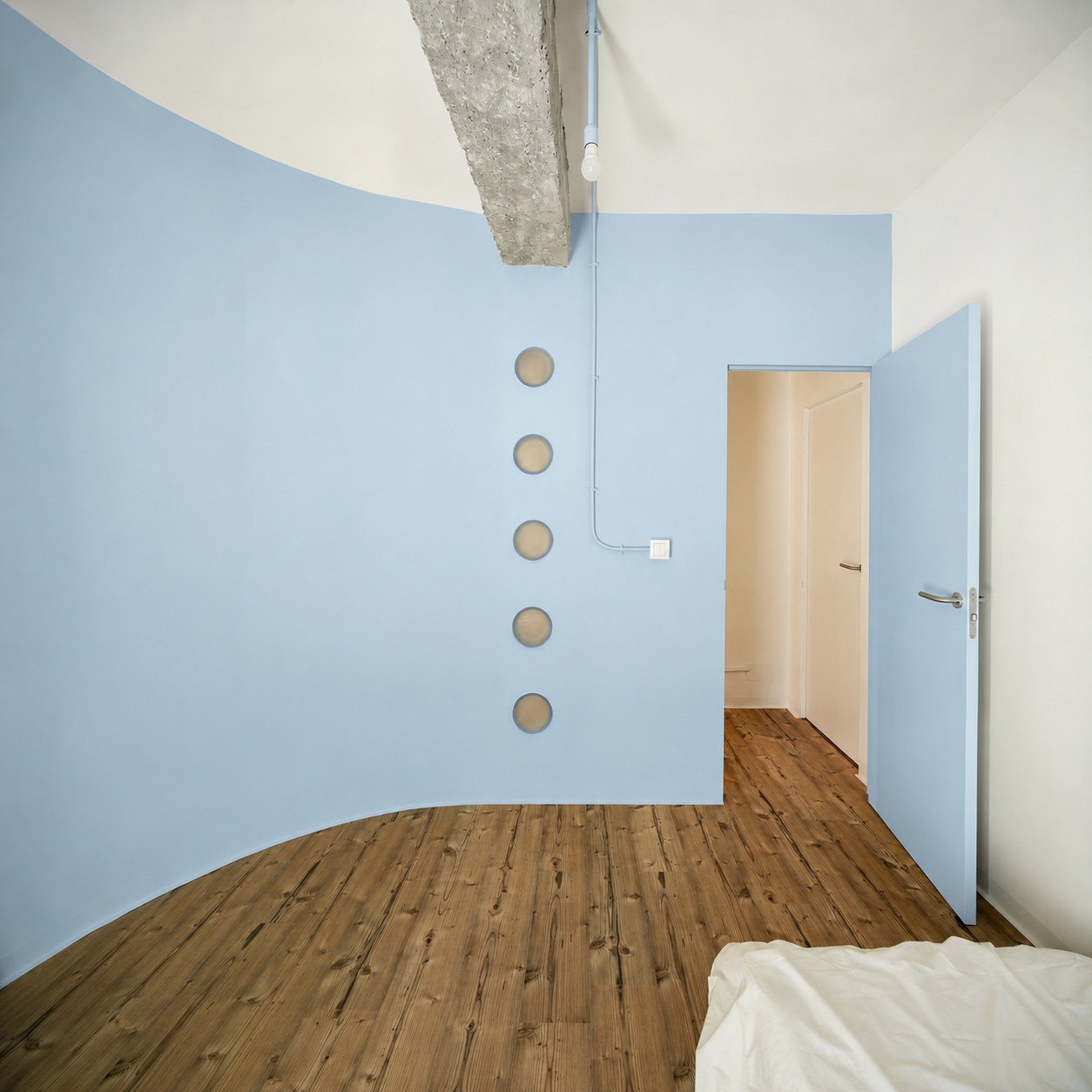
Every floor a different blue of the sea.
Colour — floors graded from foam to deep water.
Activation — instead of 70 painters, local artisans craft one exclusive piece for each room.


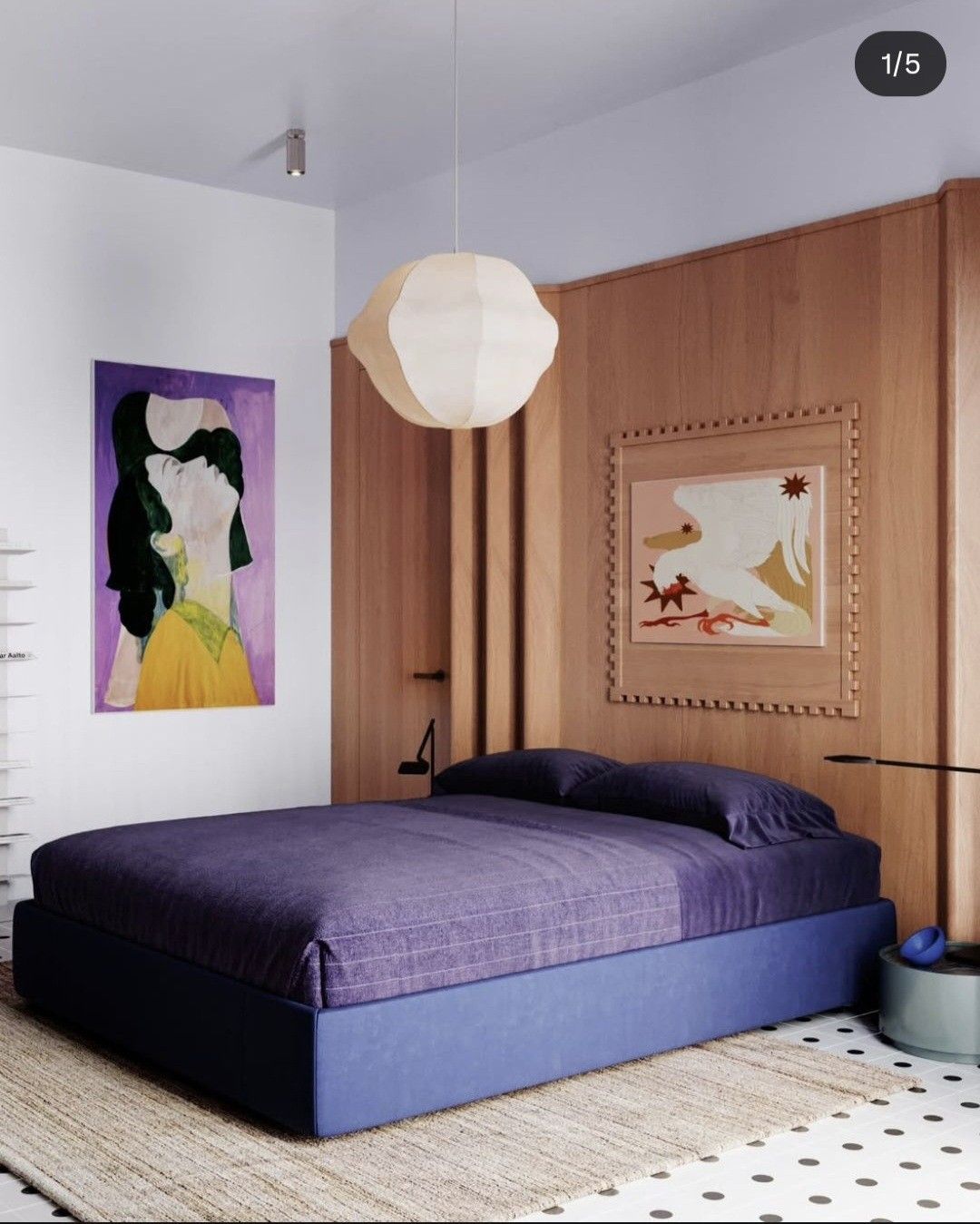
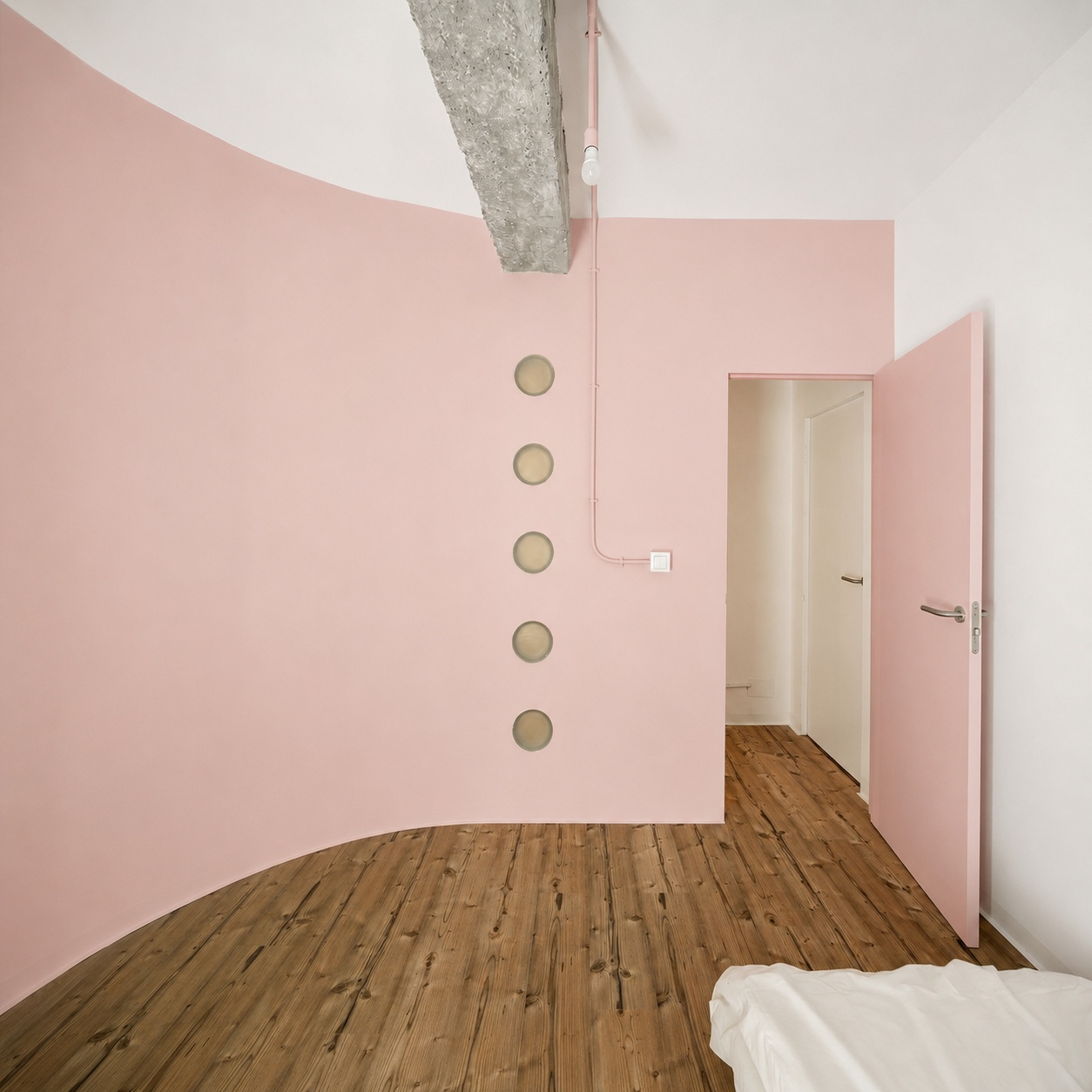
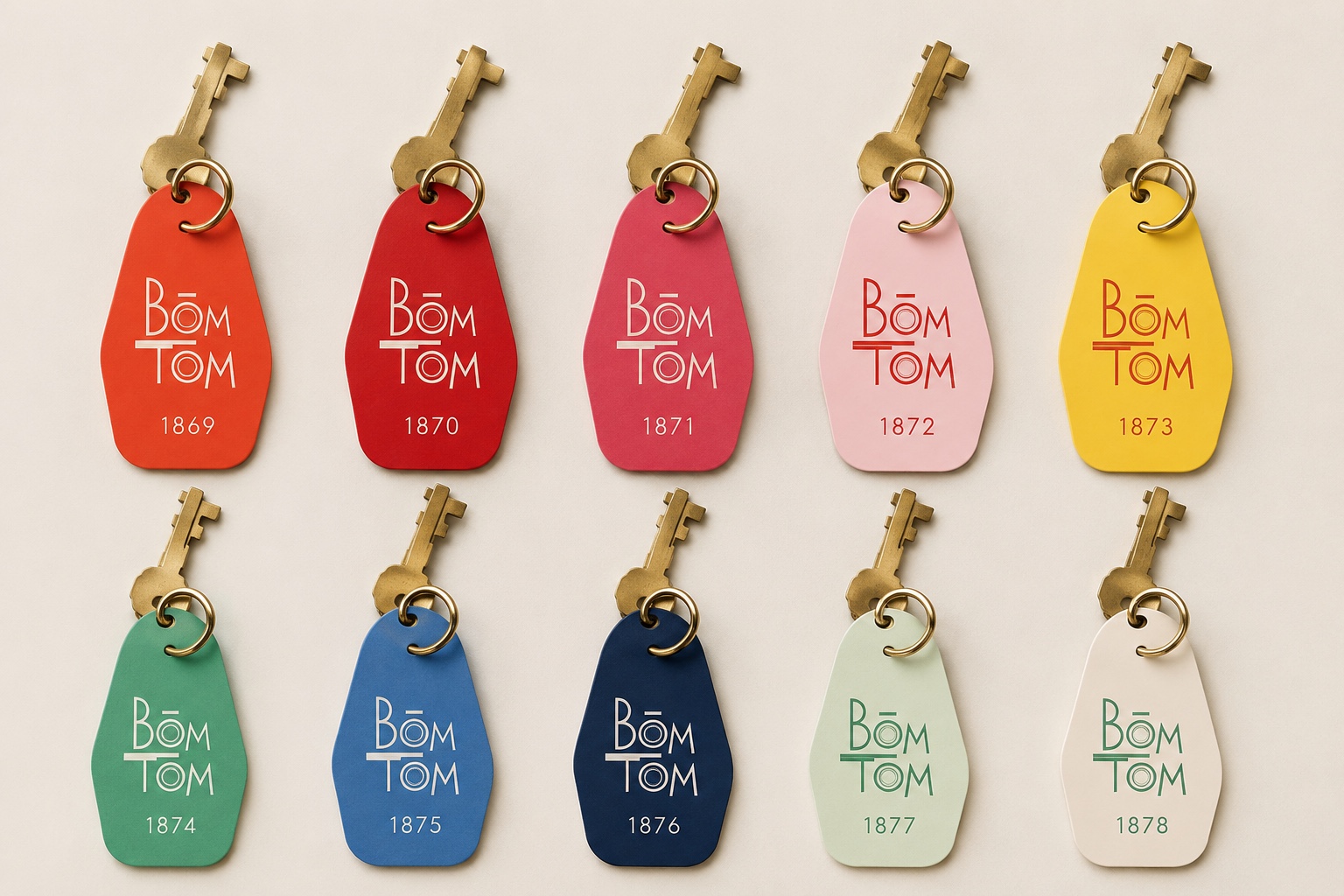
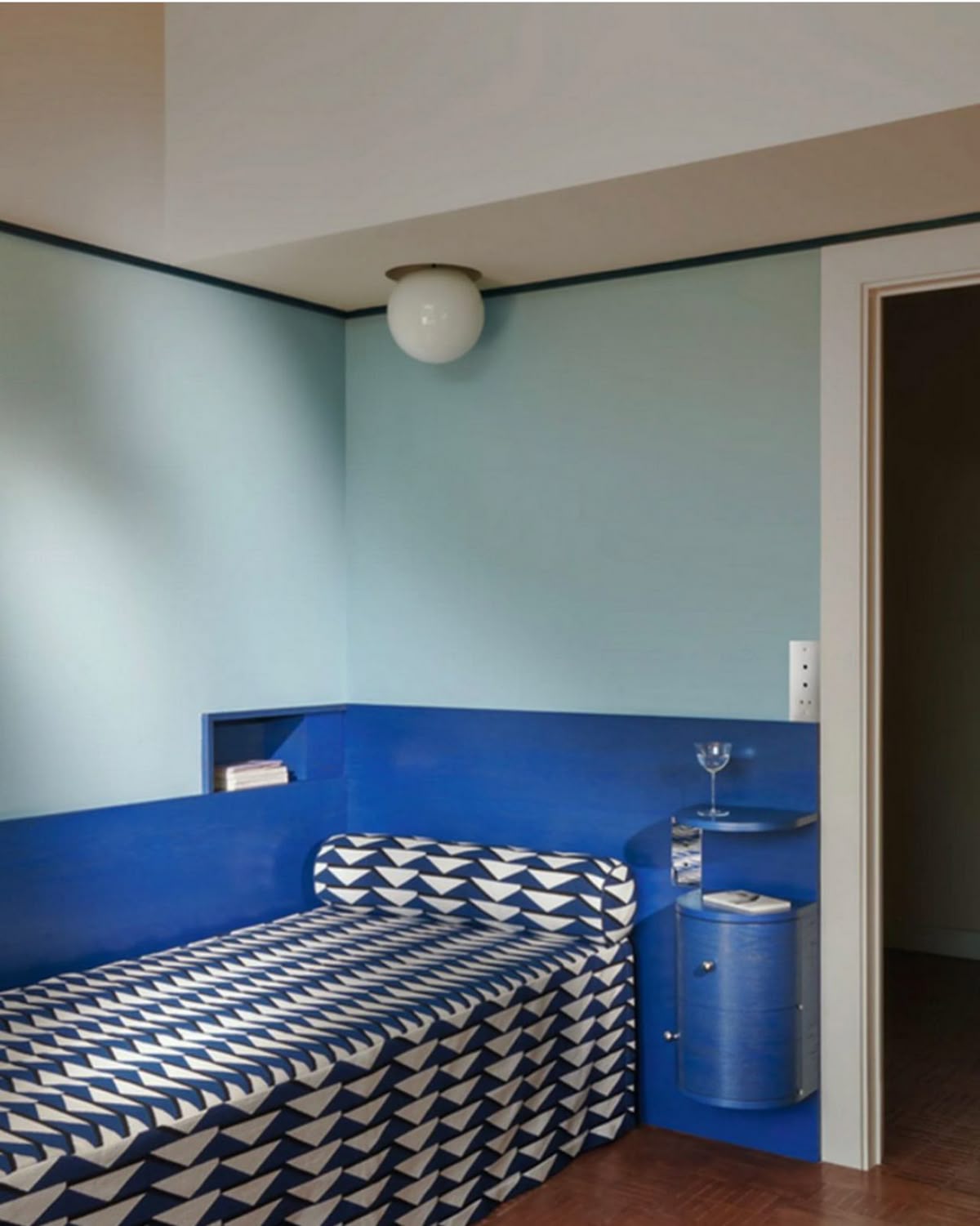
The colour lives in your key — the room stays pure. A calm, standard room to sleep in; the colour is carried by the key you're given, the artwork on its wall, the book, the bar. No repainting, no renovation — a system laid over the rooms you already have.
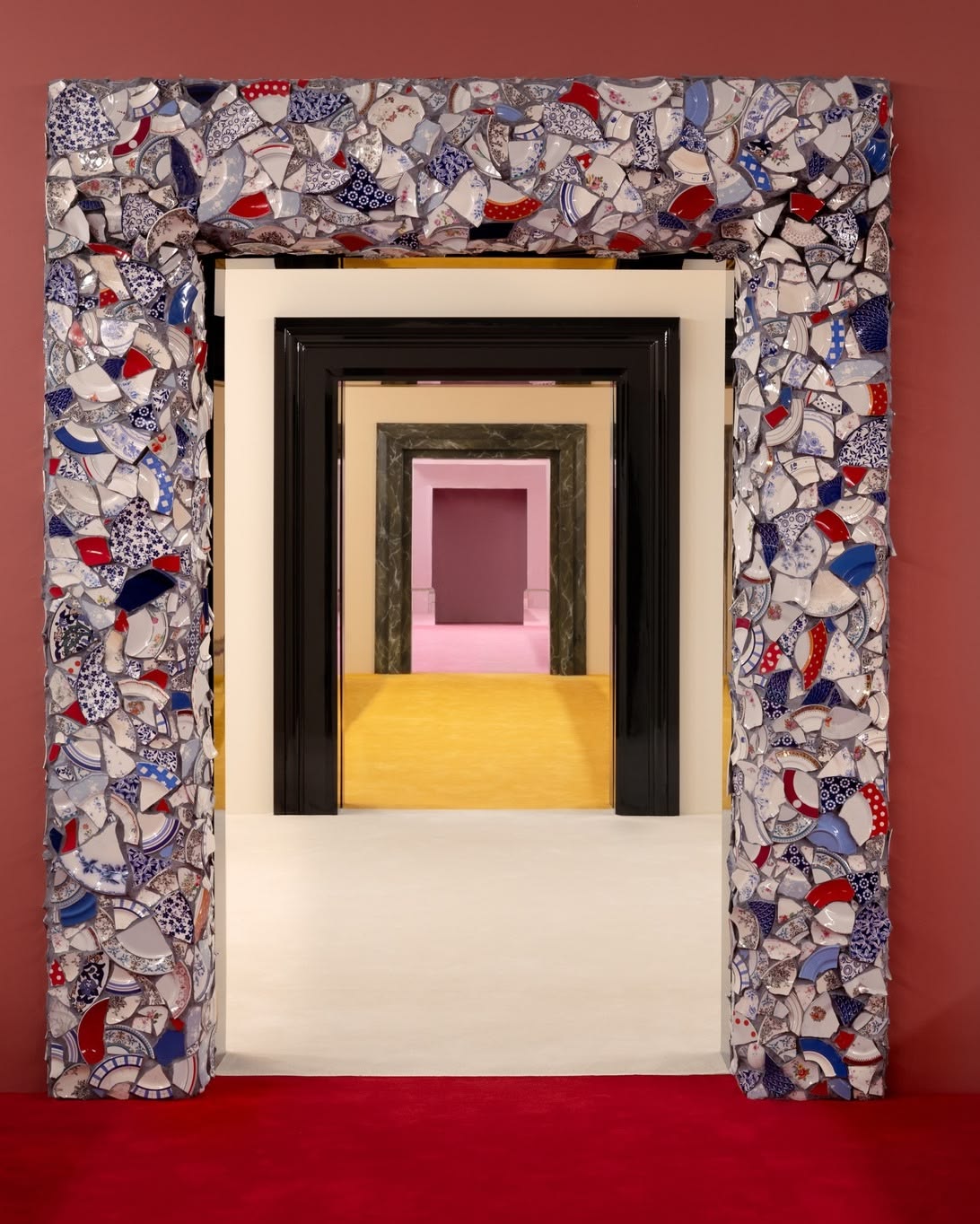
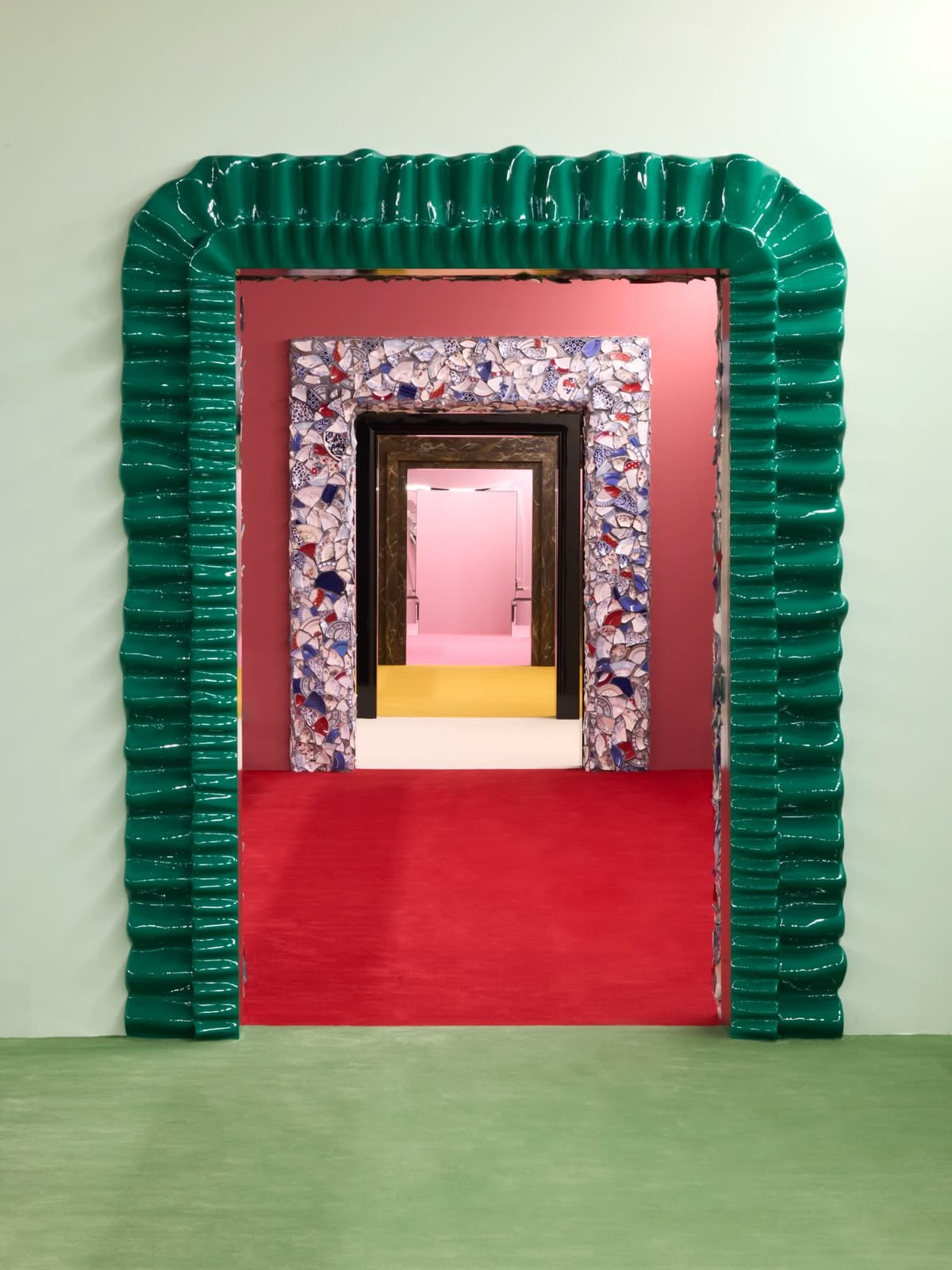
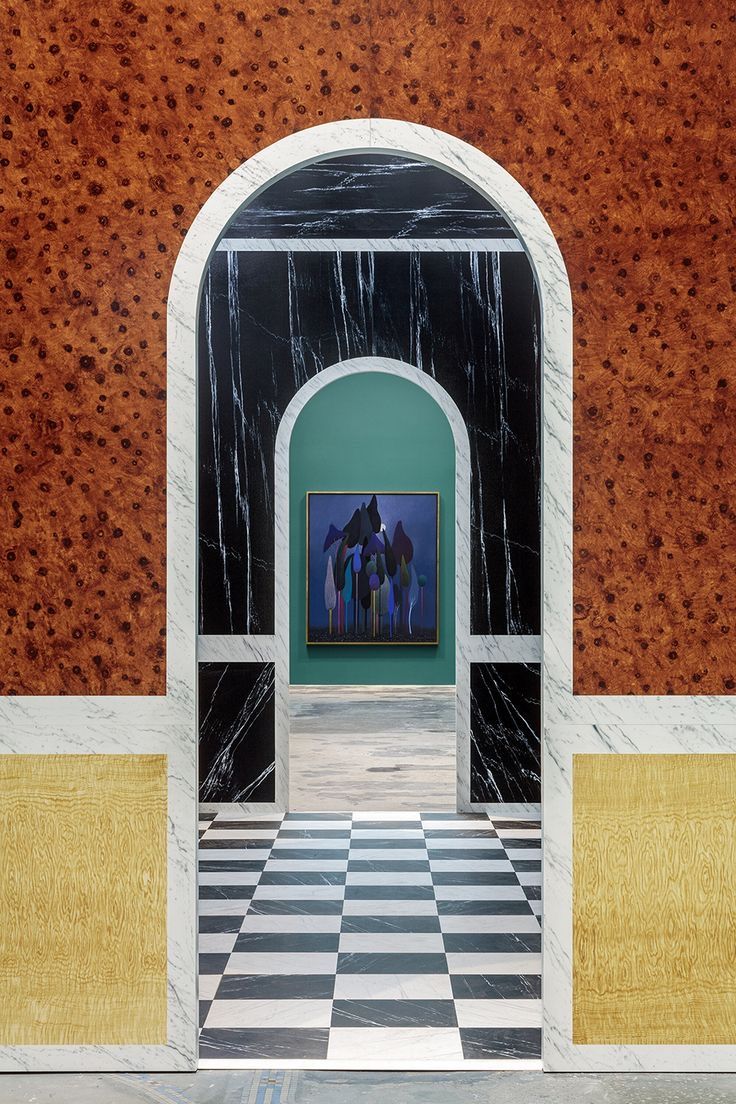
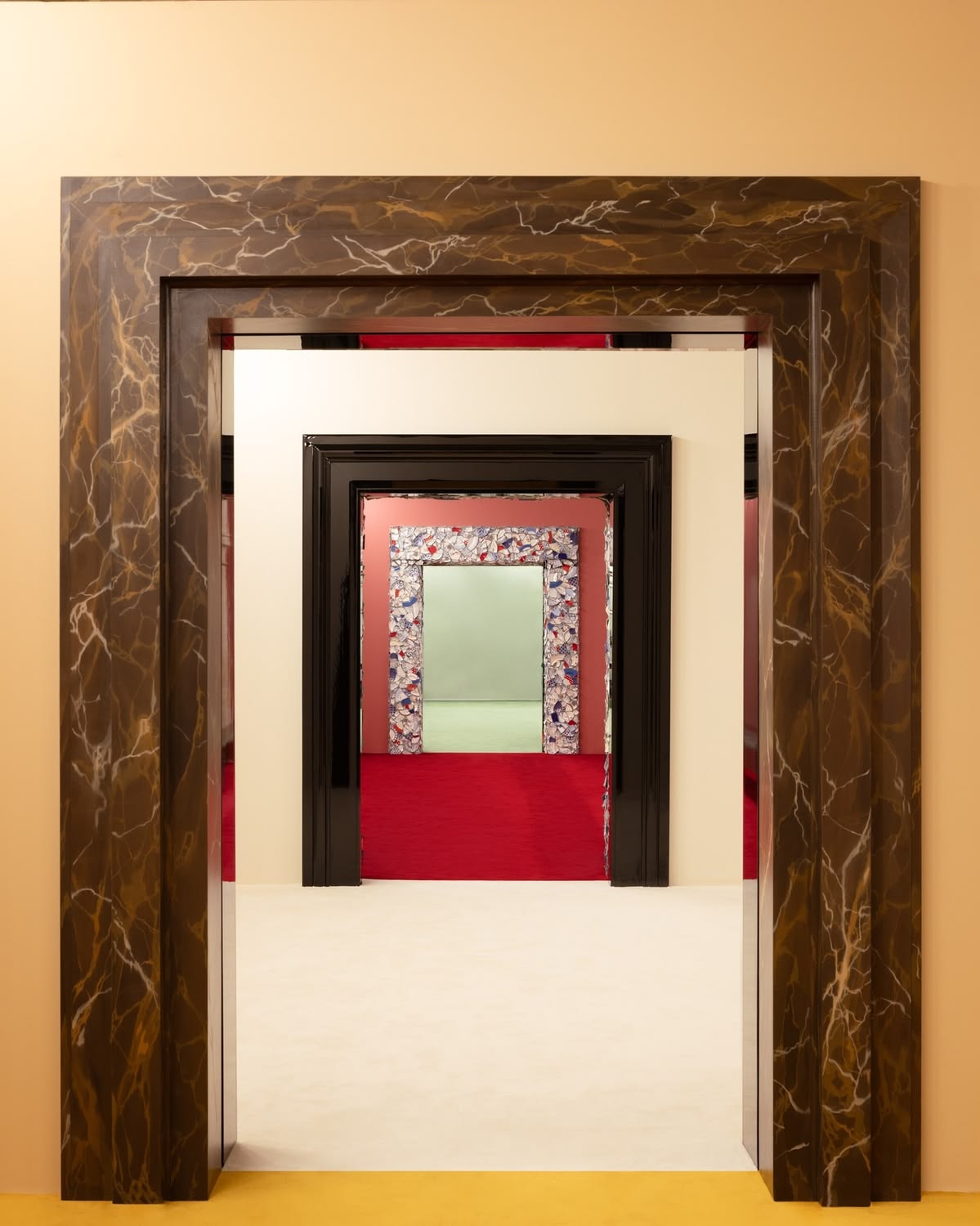
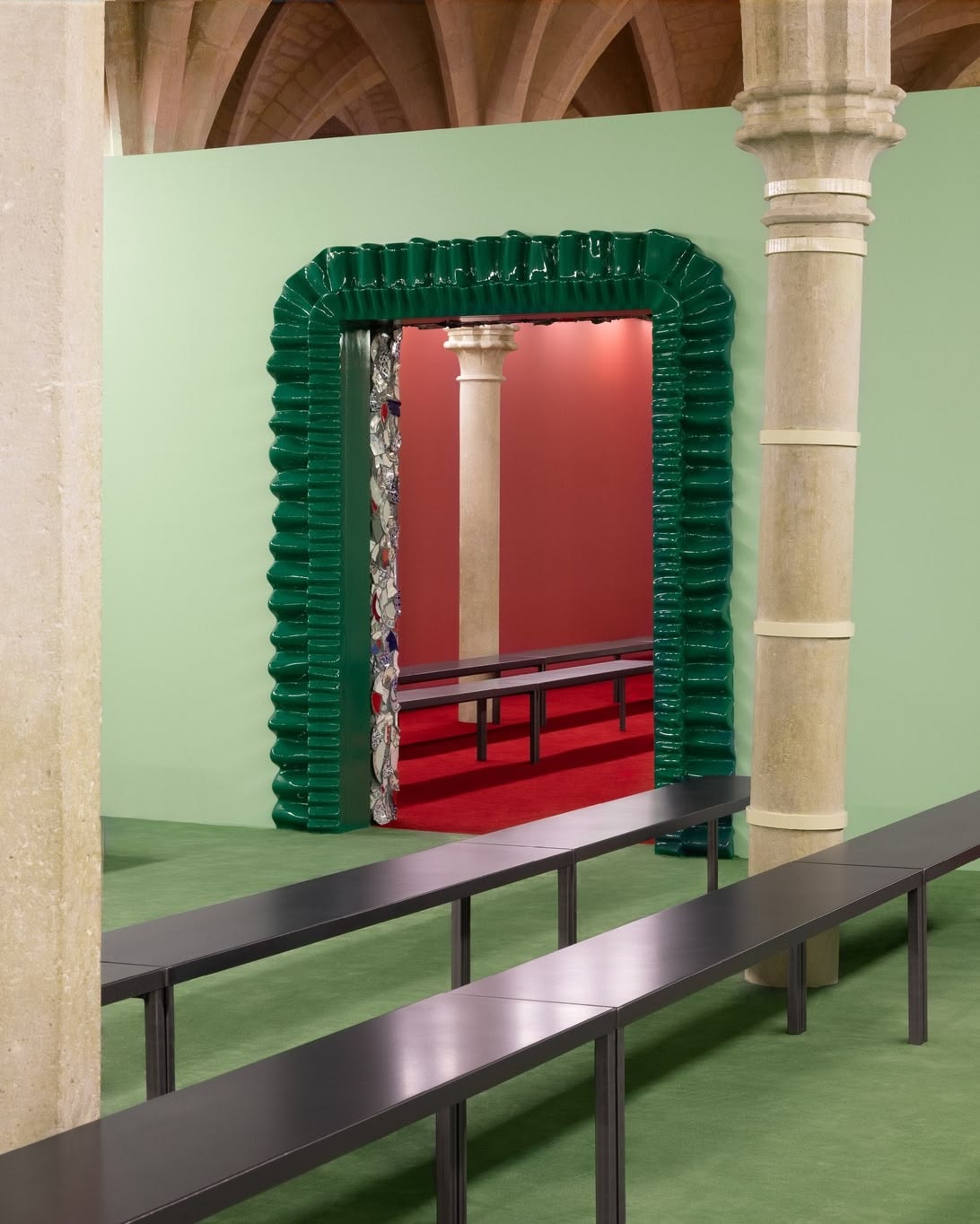
A pink hall, then five floors of colour, seventy exact tones drawn from the historic Répertoire de couleurs — one key, one tone, one artwork per room. An address you visit the way you visit a painting.
Six floors.
Seventy tones.
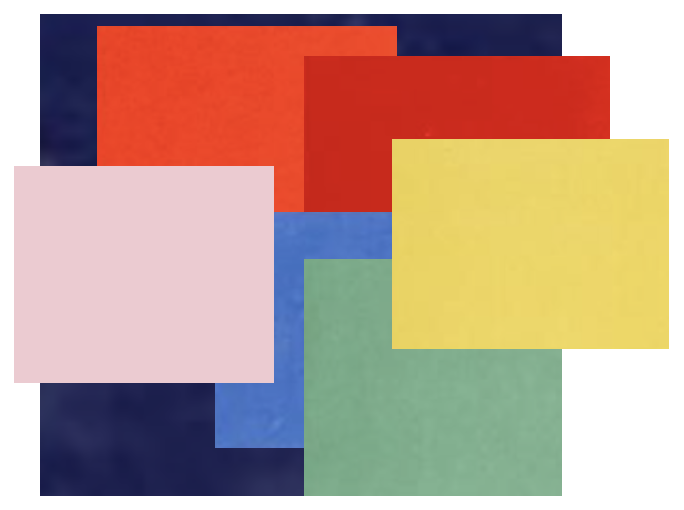
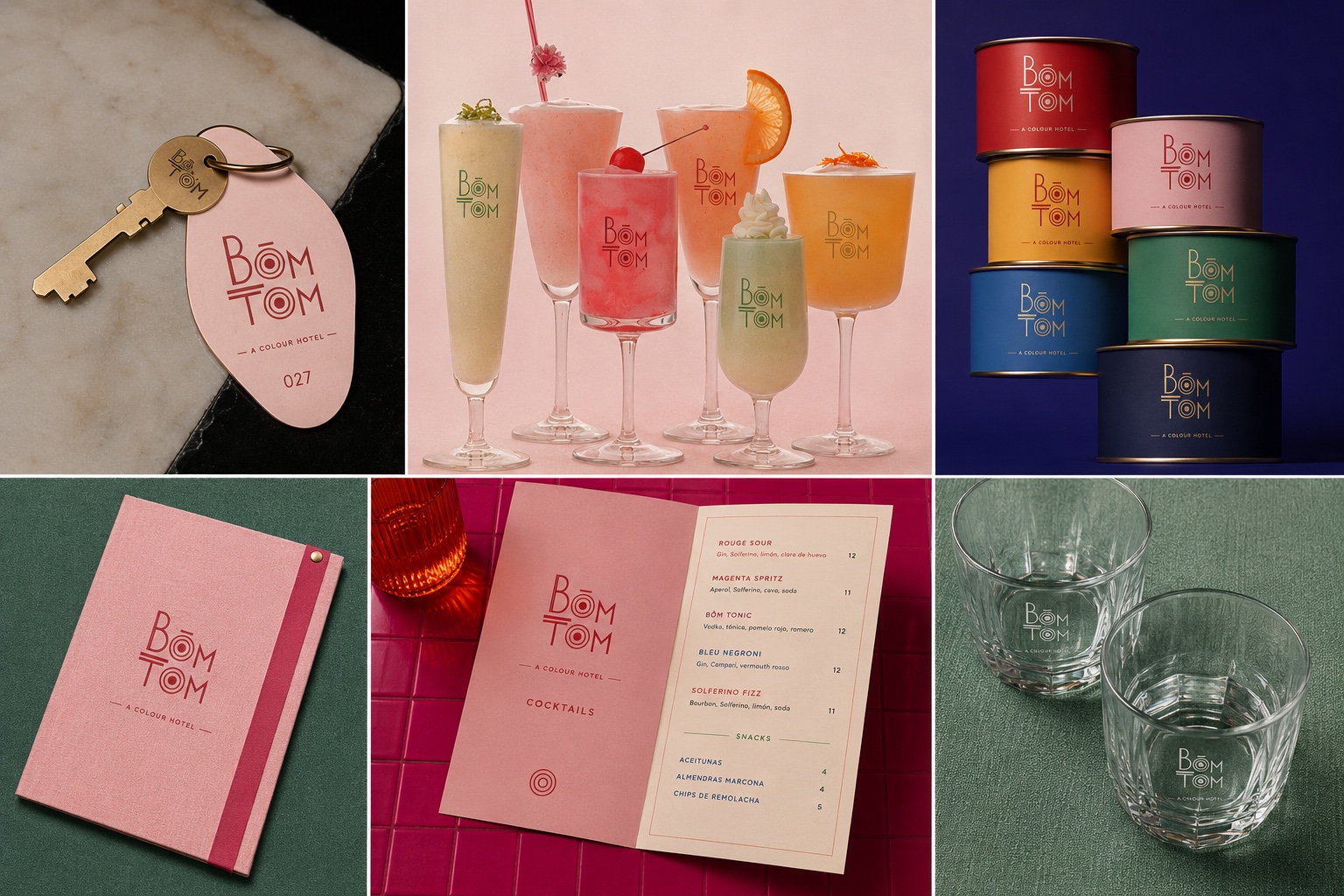
One master palette runs the whole house — a pink hall and five floors of colour, each a family of exact tones. Every key, artwork and cocktail is drawn from it. The rooms stay standard; the colour is the system around them.

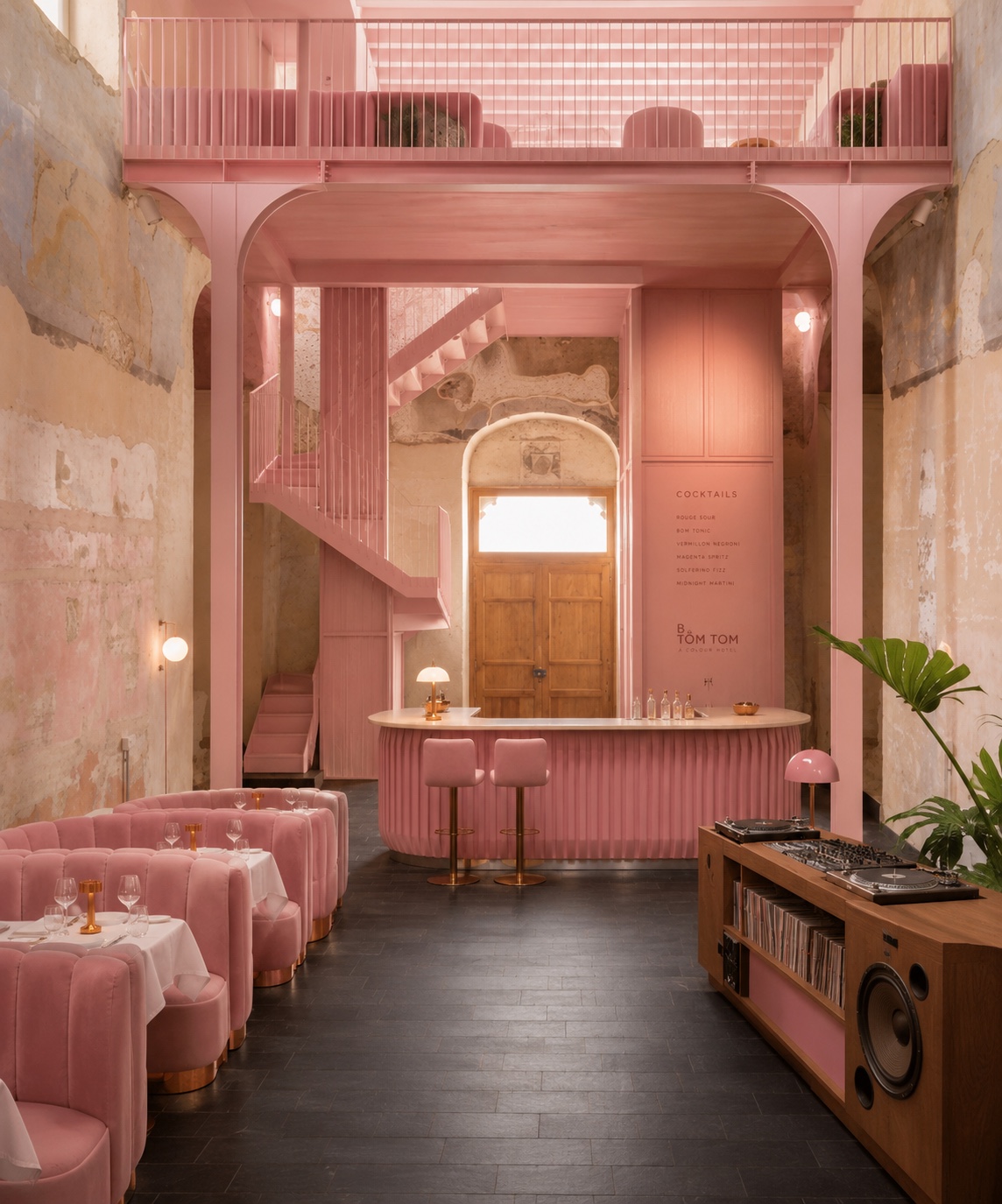
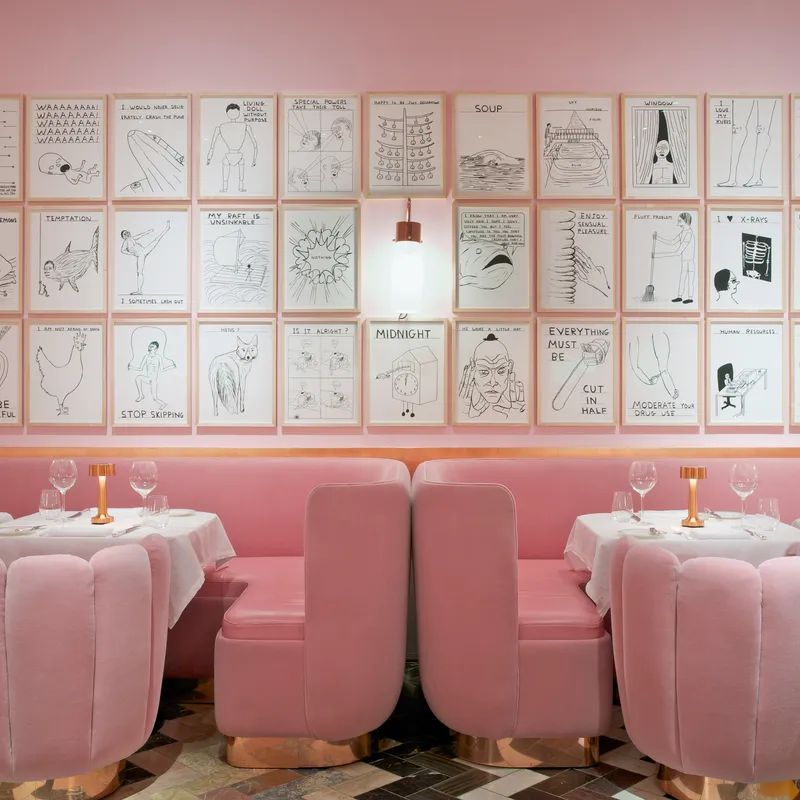
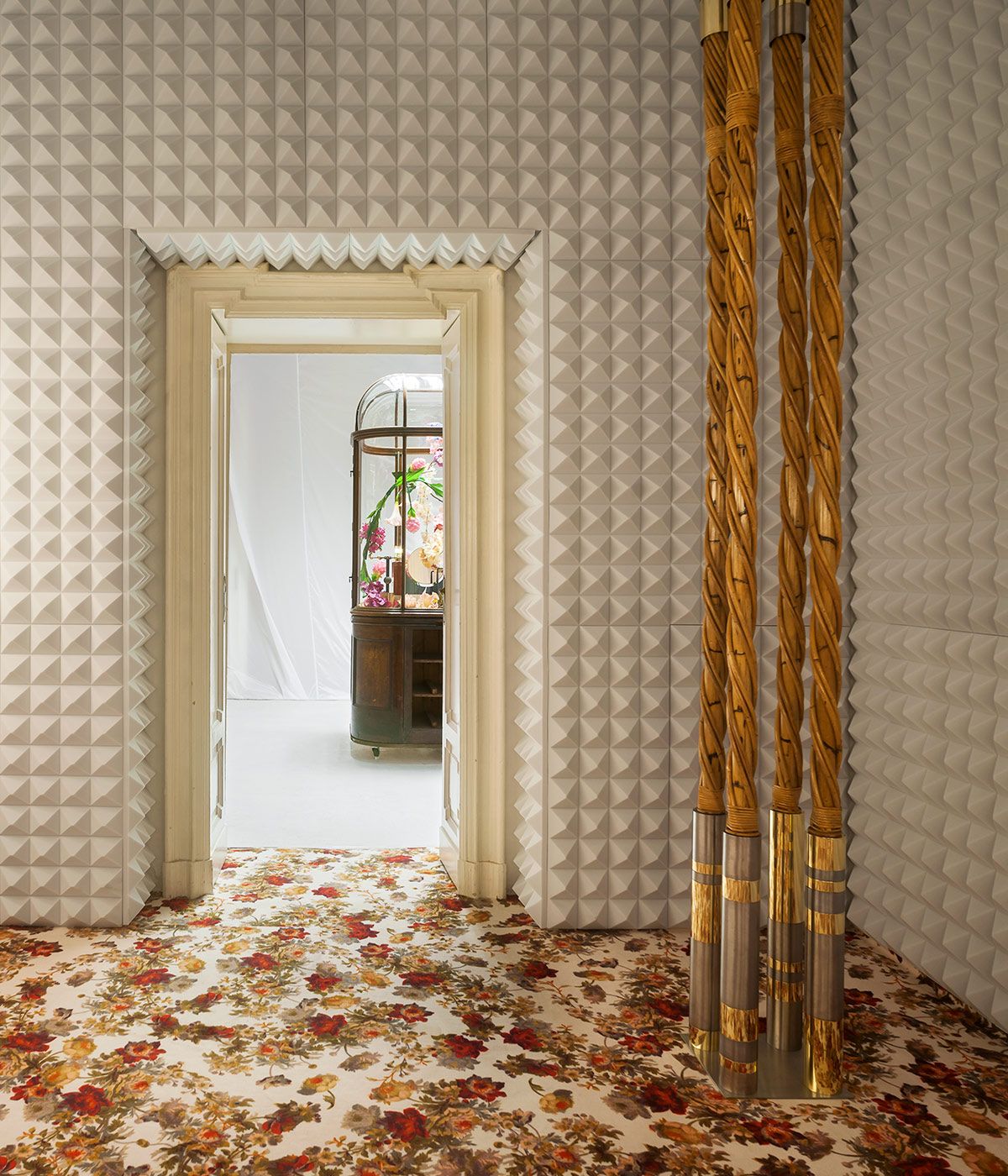
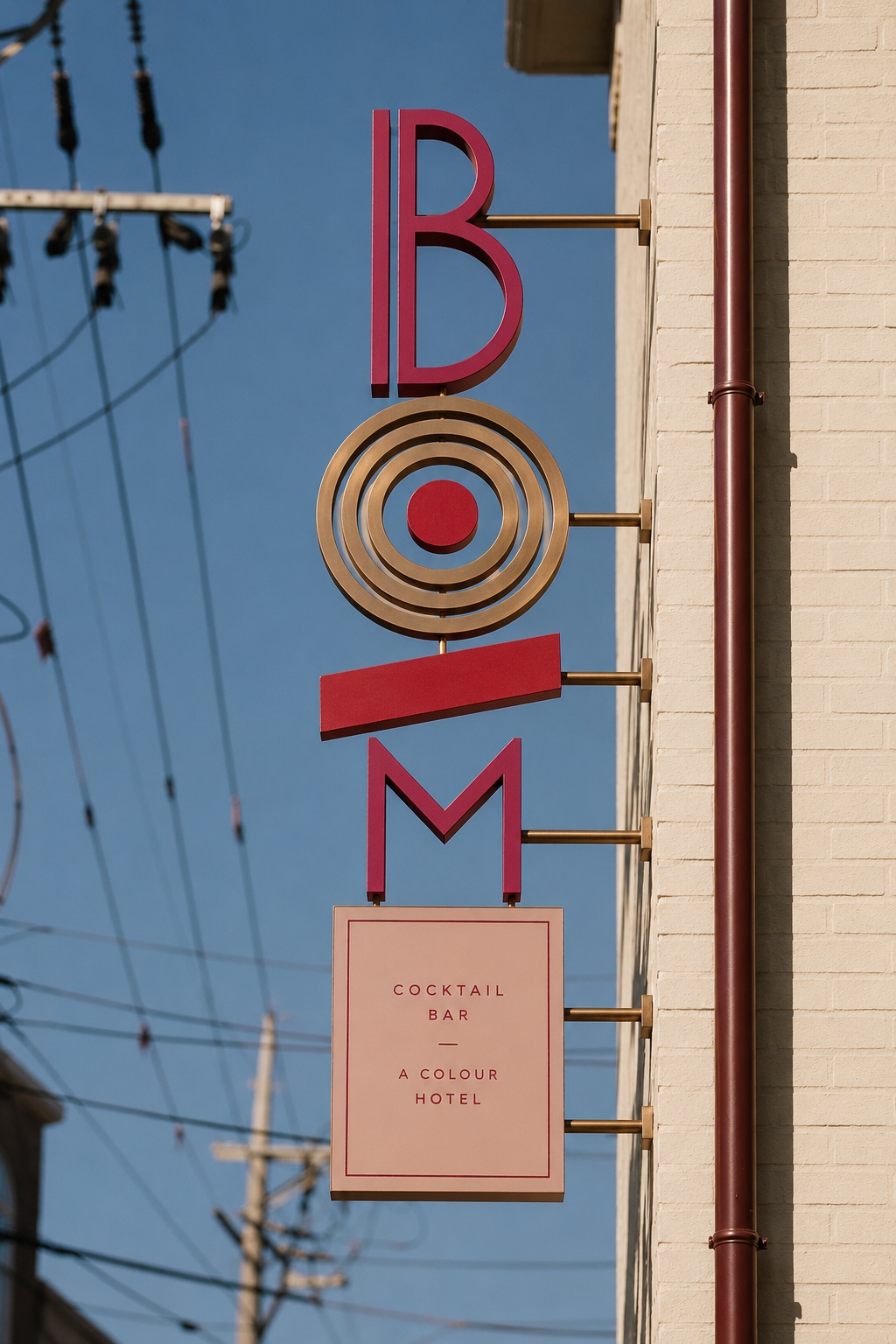
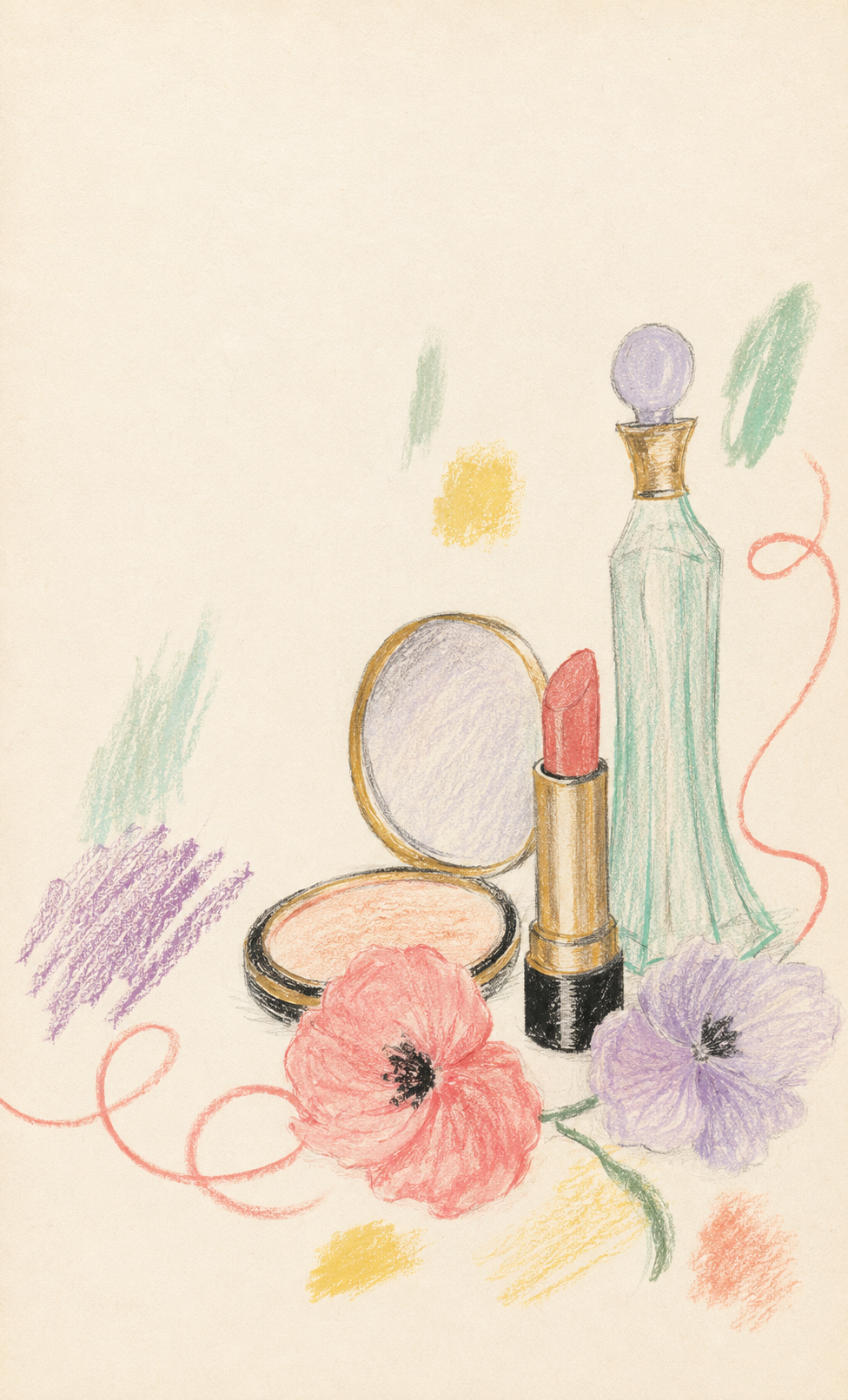
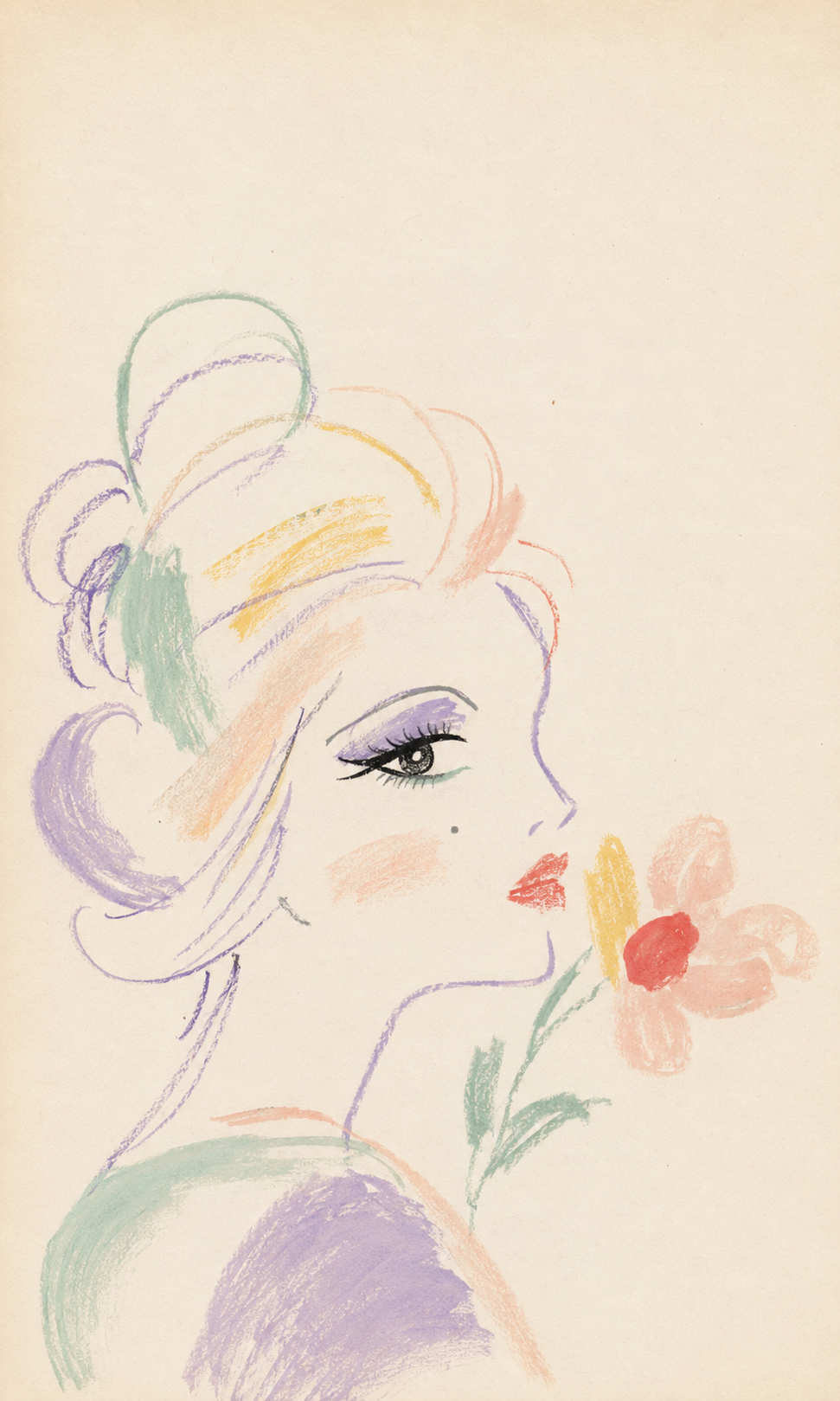
Arrival in rose. A drawing-covered lounge in blush velvet — home to The Pink Bar, the key wall and the whole system, previewed in one breath.

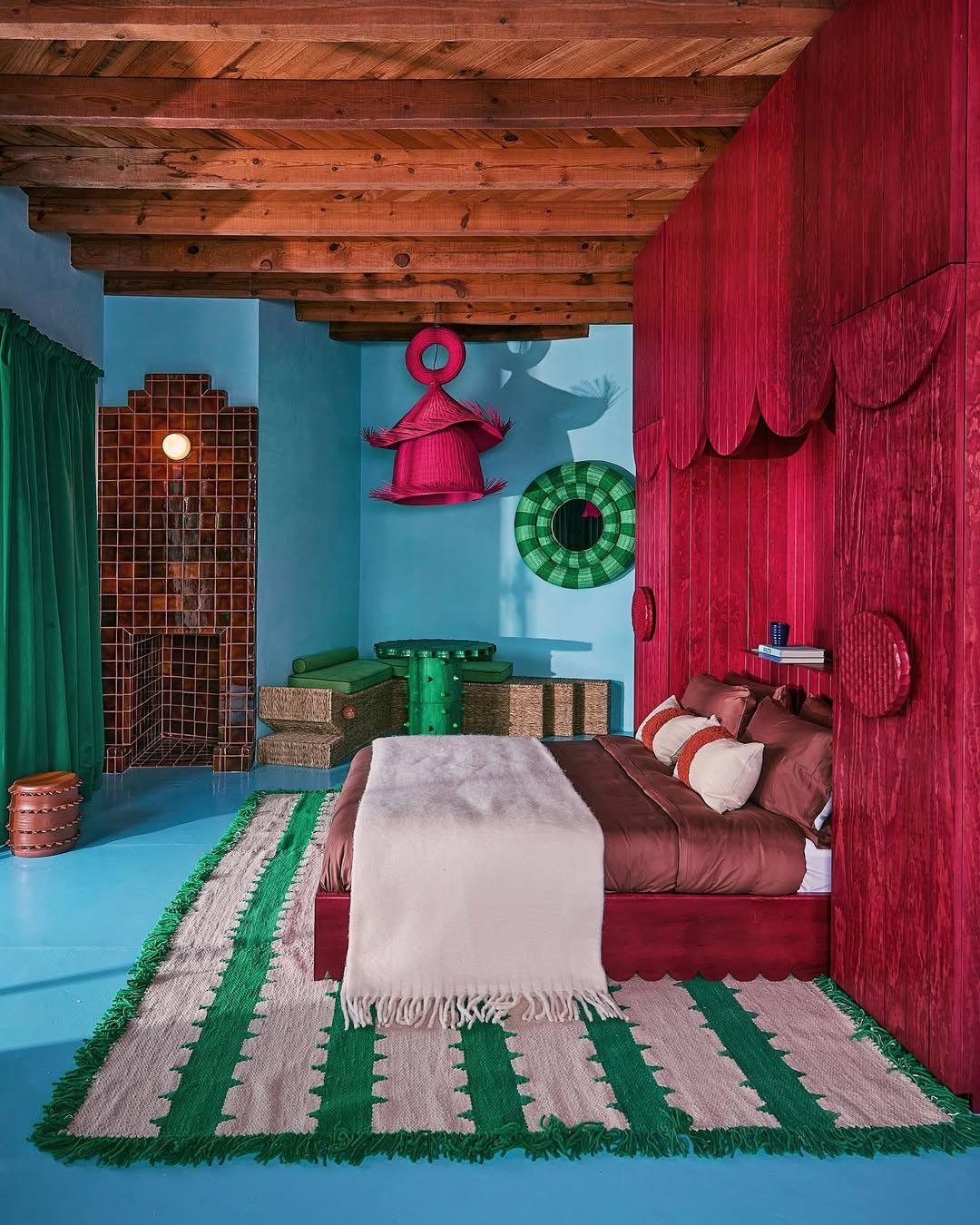
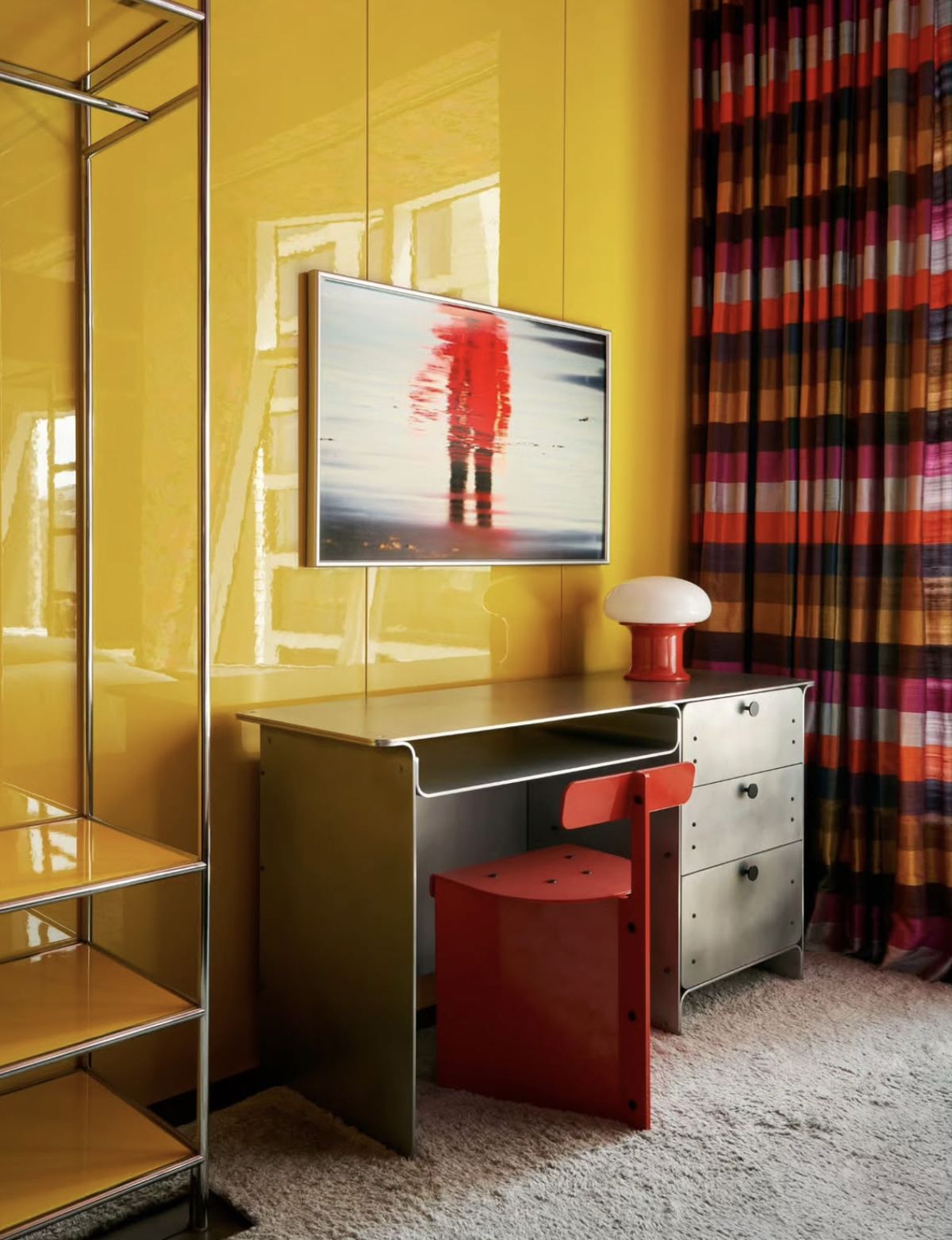
From pale sulphur to burnt ochre — lacquer walls that hold the morning long after the light has moved on.

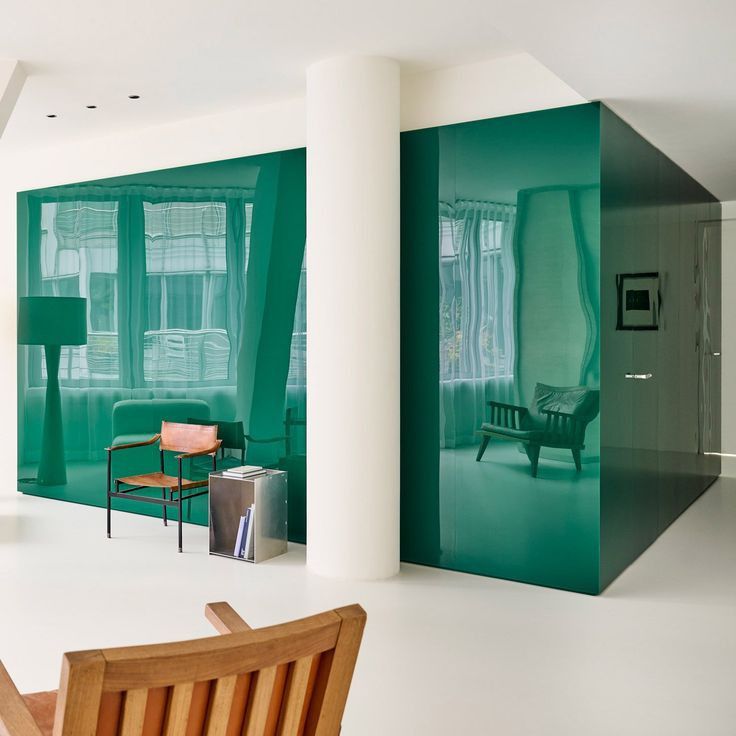
Glass, resin and viridian light — fourteen greens between tilleul and bouteille. A garden held indoors.

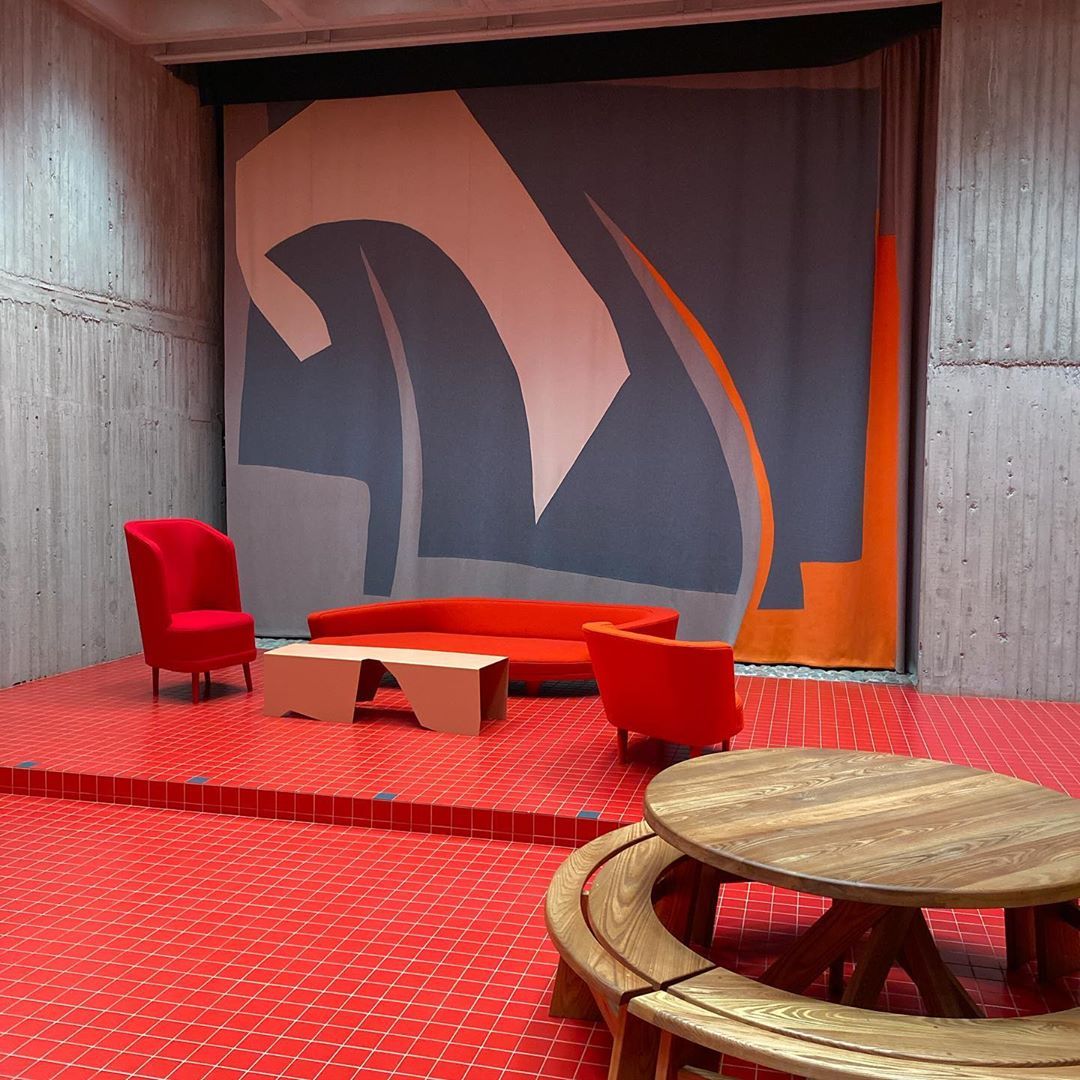
Vermillion to blood. Lacquered walls, red tile, a heartbeat of a floor — the most cinematic in the house.

Porcelain to midnight. Fourteen blues descending like dusk — the floor where voices lower on their own.

Chalk, hemp, camel, sepia. The quietest floor — and the most exacting. Where colour learns to whisper.


Every room on a floor wears the same tone, wall to door. What changes from one room to the next is only its name — and the coloured key you're handed, and take home. Standard rooms; the colour and the key do the rest.


Before a single room is sold, the house has to be talked about. The opening is built as one communication plan — three activations that turn the hotel into a live event, pull the city in and earn organic reach. People come to see first; they book after. This is where the concept earns its traffic.
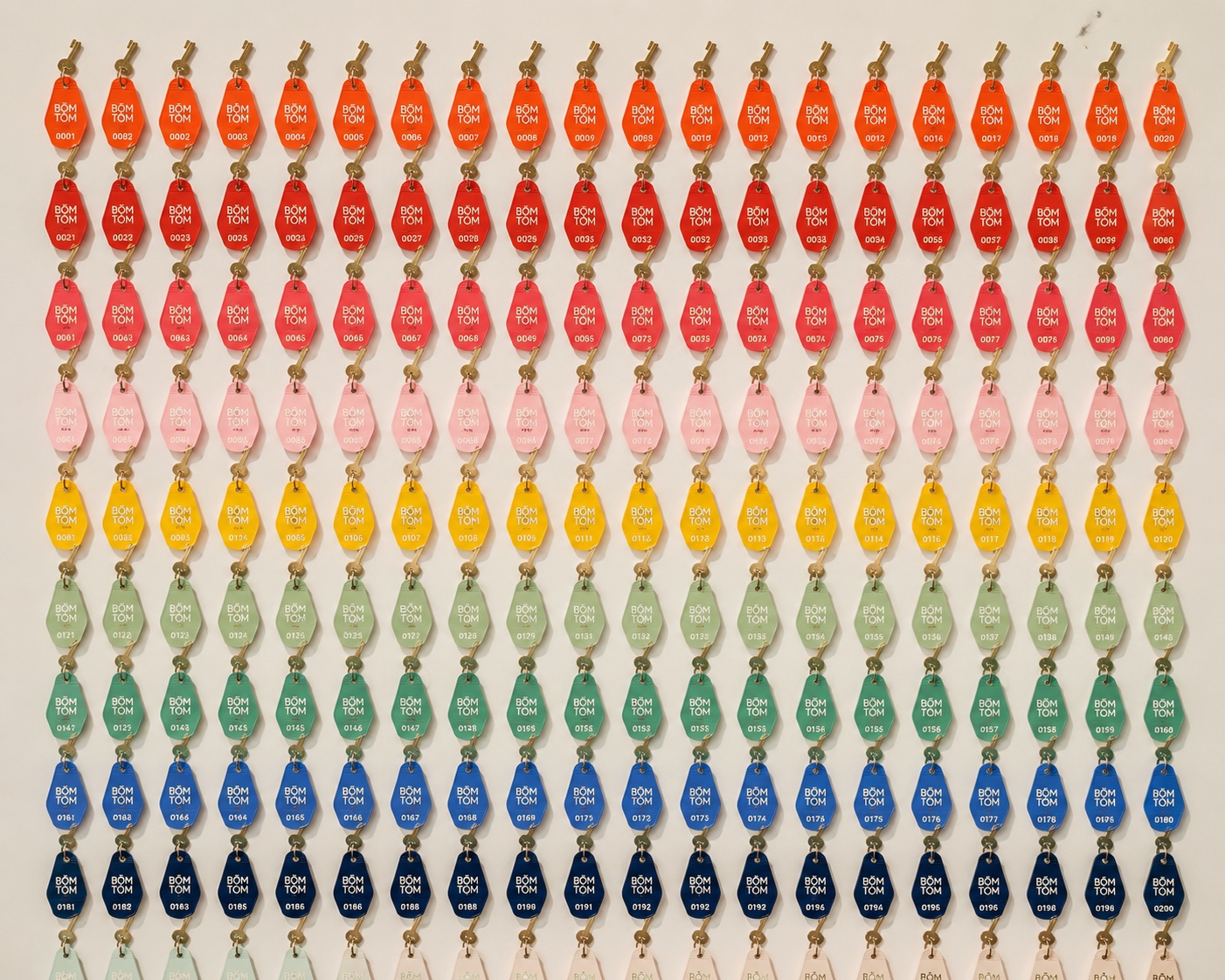
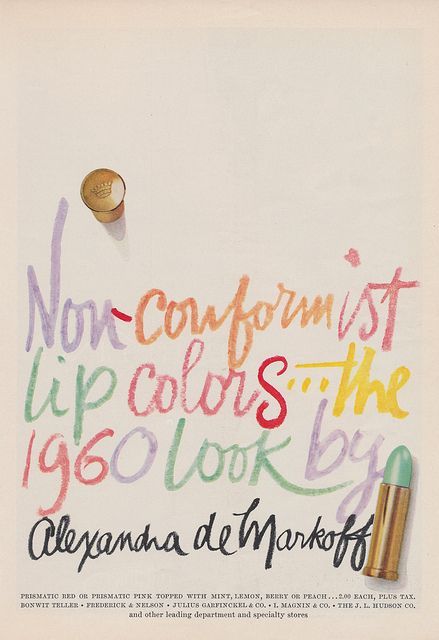
Every guest keeps their coloured key — a souvenir the exact tone of their stay. A small object that travels, gets photographed and carries the brand out into the world.
Why · earned social + word of mouthFor 100 days, seventy artists each make one work per room, on site. The corridor becomes a gallery, the opening a month-long happening — a reason to visit before you ever book.
Why · press + local culture + foot trafficOne communal book, open in the house — anyone may draw a page in the colour of their floor. When it fills, it's bound, shelved in the library and published for sale: a collective portrait of the opening.
Why · participation + a lasting artefactThe mechanic Awareness → organic traffic → reservations. The colour is what makes all of it photographable — and gives the first 100 days their reach.
70
Seventy artists. Seventy rooms. One colour each.
Each artist is assigned a single room and its exact tone from the nomenclátor — and makes one original piece for it. Seventy rooms, seventy works, no two alike.
The works are created inside Bom Tom during the first 100 days after opening. Guests don't just sleep among the art — they watch it happen.
A living, month-long event that draws the city in — the room becomes a studio, the corridor a gallery, the opening a reason to visit before you ever book.
Behind the desk, hundreds of keys — each in its room's exact tone, ordered in blocks of colour. A spectrum you walk past on arrival.

Each tag carries the house colours. On the way out, the key leaves with you: a souvenir the exact tone of your stay.
No one takes a book home. Instead, a single communal book sits open in the house — anyone who wishes may draw a page, keeping to the colour of their floor. When it is full we lay it out, shelve it in the hotel library, and publish it for sale. A collective portrait of a season, in colour.
Bom Tom is not one hotel — it is a method for making them. The colour is the architecture; the method travels. Every future Bom Tom shares the DNA, never the copy.
To replicate is not to repaint. You keep your standard rooms and lay the colour system over them — a coloured key to keep, one artwork per room, a communal book, a bar, and a 100-day opening plan. Cheap to adopt, unmistakable to see.
One rule governs every decision — surface, material, wayfinding, service. Not decoration: structure.
A defined toolkit — reusable, documented, ownable — instead of a look to be copied.
Art Deco, modernist, brutalist, classical — the system re-colours what is already there, in dialogue with the city.
Each location is unmistakably Bom Tom and unmistakably itself. The system compounds; the brand scales.
Same method, a different house. The palette and the activation change — the system does not.
Colour — floors graded from foam to deep water.
Activation — instead of 70 painters, local artisans craft one exclusive piece for each room.
Colour — meadow to forest, one green family per floor.
Activation — wellness food as colour tapas: small plates in each floor's tone, a different concept per green.
Colour — architectural neutrals (concrete, graphite, off-white) with a single pop accent that shifts per floor.
Activation — collaborations with local design studios: a limited-edition object or print per floor. The city's design scene moves in for 100 days.
Everywhere else, you pick a date and take what's left. Here, you begin with a colour — and the room, the light, the morning all follow from it. Come for the night. Or just to look.
—